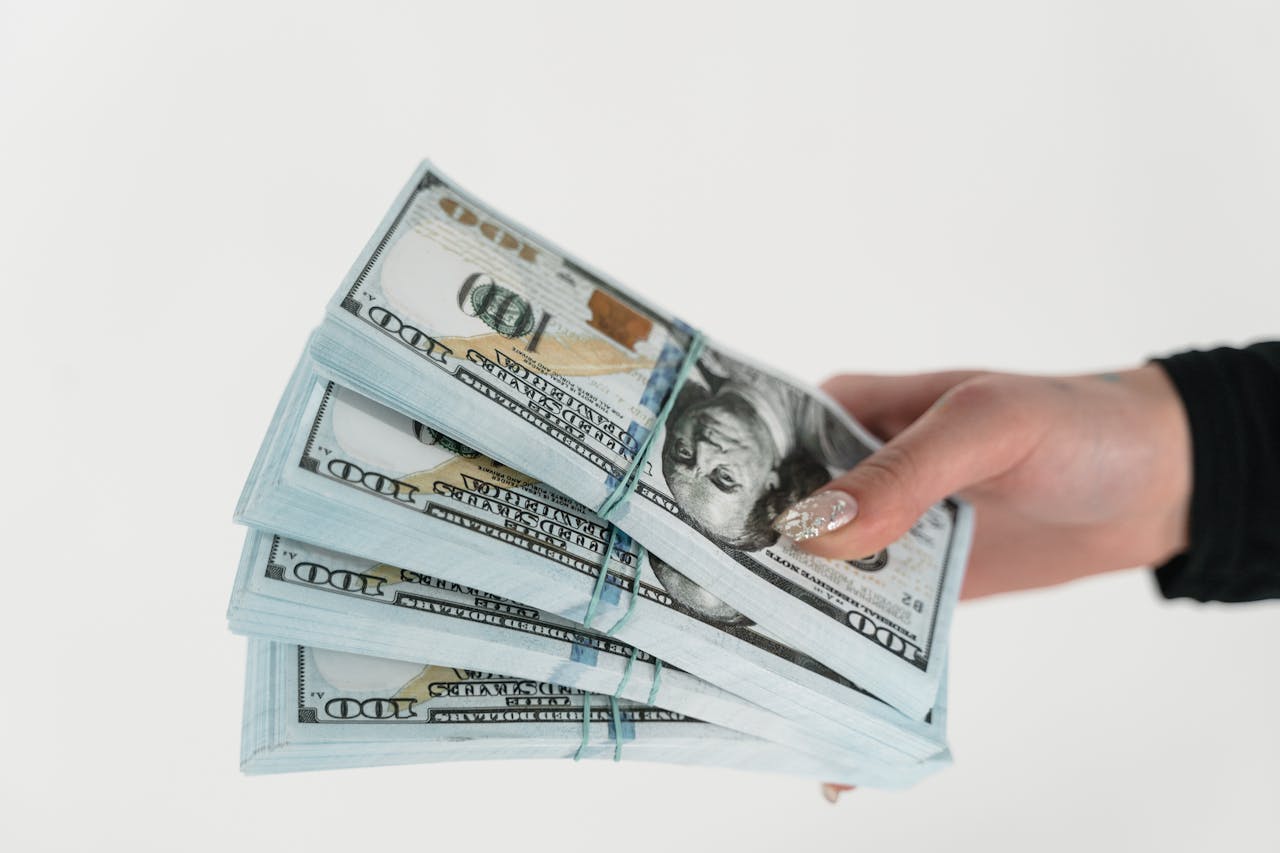
A complete seller’s guide to cash offers, timelines, risks, and why so many homeowners choose them.
Selling a home is rarely just a financial decision. It is emotional, time-sensitive, and often tied to major life changes. Relocation, inheritance, divorce, or mounting repair costs can push homeowners to look for a faster, more predictable way to sell.
That is where cash offers come in. You may have seen ads promising “cash for houses” or heard that cash deals close quickly. But many sellers hesitate because they do not fully understand how a cash offer works or whether it is safe.
A cash offer is not a shortcut around the legal process. It is simply a real estate transaction that removes mortgage financing from the equation. When structured correctly, it can dramatically reduce delays and uncertainty.
💵 What Is a Cash Offer on a House?
A cash offer means the buyer is purchasing your home without using a traditional mortgage loan. There is no lender approval, underwriting, or appraisal required by a bank.
Zillow explains that sellers often prefer cash offers because they eliminate the financing contingency, which is one of the most common reasons real estate deals fall apart. Zillow – Should I Accept a Cash Offer for My House?
Cash buyers may include investors, home-buying companies, landlords, or individuals who sold another property and have funds available.
⚙️ Step-by-Step: How a Cash Offer Works
1. Offer Submission
The buyer submits a written purchase agreement outlining the price, closing date, and inspection terms. The contract clearly states the purchase is all cash.
2. Proof of Funds
Sellers should request proof of funds showing the buyer can cover the purchase price. Legitimate cash buyers expect and provide this documentation.
3. Inspection Period
Most cash buyers still inspect the home, but the timeline is often shorter. Many are willing to buy as is, which reduces repair negotiations.
4. Title and Closing
A title company or real estate attorney handles the legal process. Funds are wired, documents are signed, and ownership transfers.
⏱️ Why Cash Offers Close Faster
Traditional home sales typically take 30 to 45 days due to mortgage approval, underwriting, and appraisals. Cash offers bypass these steps entirely.
HomeLight notes that cash transactions usually close faster because the timeline is driven mainly by inspections and title work rather than lender requirements. HomeLight – All-Cash Offer Guide
📊 How Common Are Cash Buyers?
Cash buyers are not rare or unusual. According to the National Association of Realtors, all-cash buyers regularly make up a significant share of U.S. home sales, particularly among investors and repeat buyers. National Association of Realtors – Real Estate Statistics
This prevalence is one reason cash offers are widely accepted by sellers, agents, and title companies across the country.
🛡️ Why Sellers Often Prefer Cash
- No financing contingency
- Lower risk of deal failure
- Fewer appraisal-related delays
- Flexible closing dates
- Ability to sell as is
Emotionally, cash offers provide relief. Sellers know when they are closing, how much they will receive, and do not have to worry about last-minute surprises.
📉 Do Cash Offers Mean a Lower Sale Price?
Sometimes. Cash buyers may offer less in exchange for speed and convenience. However, when repair costs, agent commissions, holding costs, and failed deals are considered, the net outcome can be very competitive.
Thinking About a Cash Offer?
Cash offers are not right for every seller, but when speed, certainty, and simplicity matter, they can be the smartest option.
Comparing a cash offer with a traditional sale allows you to choose the path that best fits your timeline and priorities.
Get a No-Obligation Cash Offer